

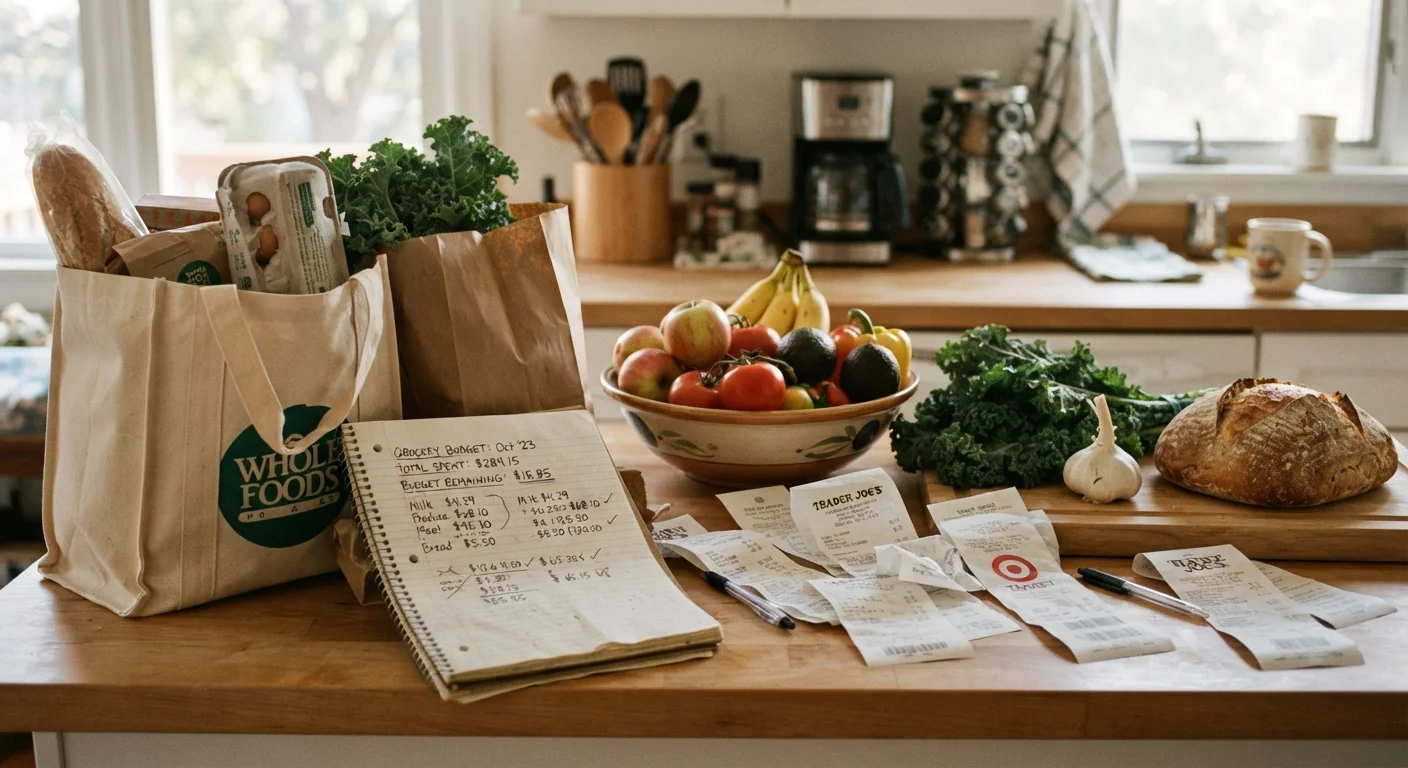
Why family food budgets slip
Most families do not overspend on food because of one dramatic mistake. The budget erodes through a collection of small, recurring habits: an unplanned store visit here, a bag of pre-cut vegetables there, a last-minute pizza order on a Wednesday. These patterns feel minor in isolation but compound quickly across a month.
If you want a clearer picture of where your household currently stands, the food budgeting introduction walks through how to track and categorize spending before trying to fix it. Knowing your actual numbers is the prerequisite for any correction that sticks.
Food waste is a direct budget loss
The USDA estimates that American households waste between 30 and 40 percent of the food supply, much of it at the consumer level. For a family spending $800 a month on food, that could represent $240 or more thrown away. Fixing waste habits often yields faster budget relief than any other change.
The most common mistakes and how to correct them
The errors below appear consistently across different household sizes and income levels. None of them require willpower or deprivation to fix. Most come down to adding a small amount of structure to decisions that currently happen by default.
Shopping without a list and buying whatever looks appealing in the moment.
Why it happens: Families often head to the store after a long day without time to plan, relying on memory and in-store displays to guide choices.
Buying more fresh produce than the week's meals require.
Why it happens: Produce looks appealing at the store, and families often buy with good intentions about eating healthier without matching purchases to specific meals.
Relying heavily on pre-cut, pre-seasoned, or individually packaged convenience versions of basic ingredients.
Why it happens: Time pressure makes pre-prepped foods feel necessary, and the per-serving price difference is not obvious when items are in separate aisles.
Ignoring unit prices and comparing only sticker prices between package sizes.
Why it happens: Shelf tags display unit prices in small print, and most shoppers focus on the large number rather than the cost-per-ounce or cost-per-count figure.
Defaulting to takeout or delivery on busy nights without a low-effort backup plan at home.
Why it happens: When everyone is tired and there is no clear dinner plan, ordering out feels like the only realistic option.
Skipping store-brand and private-label products without comparing quality.
Why it happens: Brand familiarity and packaging make name brands feel safer or higher quality, even when the ingredient lists are nearly identical.
For families who also manage food costs while traveling, the same list-and-plan discipline applies. The road trip food guide covers how to extend these habits beyond the home kitchen.
Building habits that hold
Correcting one mistake at a time is more durable than overhauling your entire shopping routine at once. Start with whichever error costs your household the most: for most families, that is either food waste or unplanned takeout.
Bulk buying can backfire without a plan
Large warehouse quantities look economical per unit, but perishables bought in bulk often spoil before a family uses them. Before buying in bulk, confirm that your household will realistically consume the full quantity within the item's shelf life. Dry goods and frozen items are safer bulk bets than fresh produce or dairy.
A concrete next step: before your next grocery trip, check what is already in the refrigerator and plan at least four dinners around those ingredients plus targeted additions. That single habit, done consistently, addresses waste, reduces list-free shopping, and naturally limits convenience-item spending at the same time. The grocery spending guide pairs well here for readers who want to connect budget discipline with nutritional goals.
The content provided on our blog site traverses numerous categories, offering readers valuable and practical information. Readers can use the editorial team’s research and data to gain more insights into their topics of interest. However, they are requested not to treat the articles as conclusive. The website team cannot be held responsible for differences in data or inaccuracies found across other platforms. Please also note that the site might also miss out on various schemes and offers available that the readers may find more beneficial than the ones we cover.